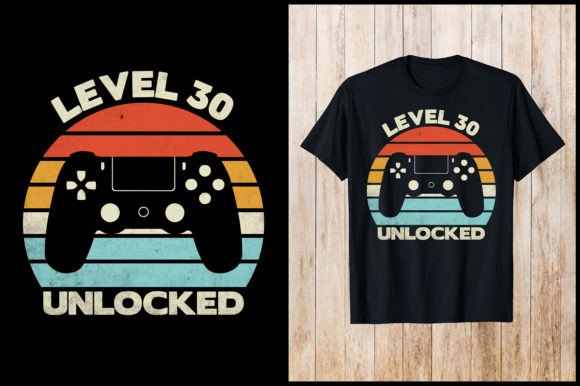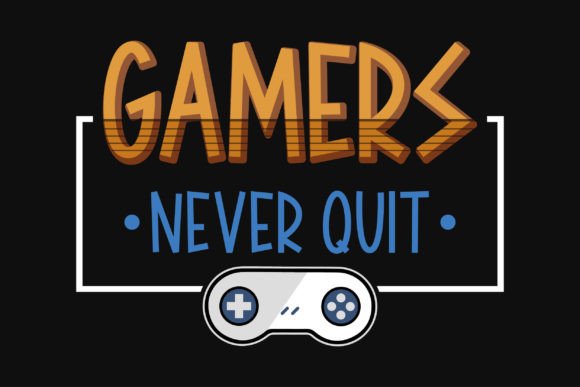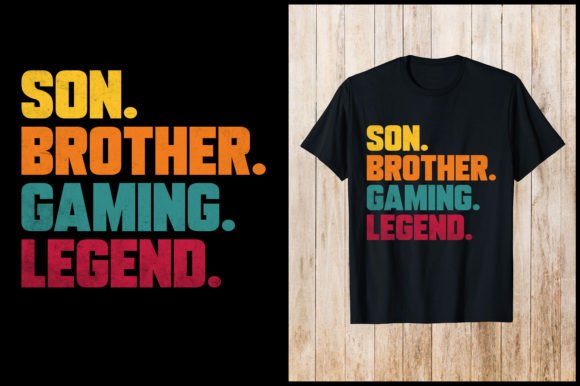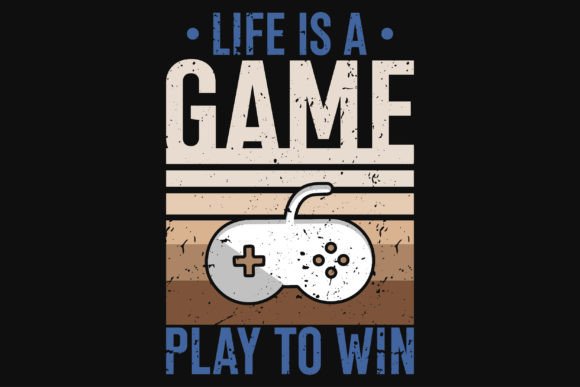
The Rise of Gaming Vintage Graphics T-Shirt Design: Nostalgia Meets Modern Print-on-Demand
Walk through any busy street, scroll through social media, or browse a marketplace like Amazon or Etsy, and you will notice a powerful trend that refuses to fade. T-shirts featuring pixelated heroes, retro consoles, and chunky 8-bit typography are everywhere. This is the world of gaming vintage graphics t-shirt design, a creative niche that merges the golden age of arcade culture with the booming print-on-demand industry. But what makes these designs so compelling, and why are they such a smart choice for sellers and creators today? Let us explore the subject from the ground up.
What Exactly Is Gaming Vintage Graphics T-Shirt Design?
At its core, gaming vintage graphics t-shirt design refers to artwork inspired by the visual style of early video games. Think of the blocky sprites from the 1980s, the limited color palettes of 16-bit consoles, and the unmistakable charm of CRT scanlines. These designs capture the aesthetic of titles played on the Nintendo Entertainment System, Sega Genesis, Atari 2600, and classic arcade cabinets. The term "vintage" here does not simply mean old. It means nostalgic, iconic, and visually distinct from the hyper-realistic 3D renders of modern gaming.
Designers working in this space often recreate the look and feel of pixel art, using deliberate grid-based construction and carefully chosen color schemes that echo the limitations of retro hardware. The result is a style that feels both familiar and fresh, appealing to gamers who grew up with these systems and younger audiences who appreciate the aesthetic for its retro-cool vibe. When applied to apparel, especially t-shirts, this style becomes wearable art that tells a story.
The Emotional Pull: Why Nostalgia Sells
Understanding the popularity of gaming vintage graphics requires a look at the psychology of nostalgia. Nostalgia is not just a fleeting feeling. Research shows it can boost mood, increase feelings of social connectedness, and even provide a sense of meaning. When someone sees a t-shirt featuring a pixelated heart container from a beloved role-playing game or a stylized retro controller, their brain lights up with positive associations. They remember Saturday mornings spent with friends, the thrill of beating a difficult level, or the simple joy of unwrapping a new cartridge.
This emotional connection translates directly into purchasing behavior. Consumers are far more likely to buy a product that resonates with their personal history. A gaming vintage graphics t-shirt is not just a piece of clothing. It is a conversation starter, a badge of identity, and a comfortable reminder of happier times. For print-on-demand sellers, tapping into this emotional reservoir is a proven strategy for building a loyal customer base.
The Print-on-Demand Landscape and Vintage Gaming Apparel
Over the past decade, print-on-demand (POD) platforms like Amazon Merch on Demand, TeePublic, Teespring (now Spring), Redbubble, eBay, and Shopify-powered stores have transformed how creative entrepreneurs sell physical products. The barrier to entry is remarkably low. You do not need to hold inventory, manage screen-printing equipment, or handle shipping logistics. Your primary asset is your design skill and creative vision.
Within this ecosystem, the gaming vintage graphics niche stands out for several practical reasons. First, the audience is massive and global. Video gaming is a multi-billion-dollar industry with fans spanning every age group and demographic. Second, the retro gaming subculture is especially passionate and community-driven. Enthusiasts actively seek out apparel that reflects their love for classic titles. Third, the visual language of vintage gaming translates beautifully to t-shirt graphics. Bold shapes, high contrast, and limited colors create eye-catching designs that look crisp and professional on fabric.
Key Characteristics of High-Quality Vintage Gaming Designs
Not all retro-inspired artwork is created equal. A truly premium design stands out through specific qualities that affect both visual appeal and print performance. For sellers, understanding these characteristics helps in selecting designs that will perform well in the marketplace. For designers, mastering these elements elevates work above the competition.
Authenticity in Pixel Art Execution
True pixel art respects the grid. Each pixel is placed with intention. Amateur designs often blur or anti-alias edges, which destroys the crisp, chunky feel that defines the vintage gaming aesthetic. Professional designs maintain sharp, clean pixel boundaries even when scaled to large dimensions. The 100% vector-based designs available in premium packages ensure that scaling to print-ready dimensions like 4500 by 5400 pixels results in flawless sharpness without any degradation or unwanted smoothing.
Color Palette Discipline
Classic gaming systems had strict hardware limitations. The NES, for example, could only display 25 colors on screen simultaneously out of a master palette of 54. Designers who understand these constraints use limited, harmonious palettes that evoke authenticity. A design that uses too many gradients or modern neon colors might lose the vintage feel. The best designs feel like they could have been lifted directly from a 1980s cartridge label or arcade marquee.
Composition and Wearability
A great t-shirt design works with the human body. It considers placement, scale, and how the graphic interacts with the contours of the wearer. Vintage gaming designs often work exceptionally well as chest prints, pocket prints, or full-back graphics. The centralized, framed composition of many retro game screens lends itself naturally to t-shirt layouts. A design that is easy to modify allows sellers to adjust placement, scale, and even separate elements for different product types like mugs or hoodies.
Understanding File Formats for Print-on-Demand Success
One of the most common points of confusion for new POD sellers involves file formats. A design that looks stunning on screen can print poorly if saved in the wrong format. Professional gaming vintage graphics t-shirt design packages typically include multiple file types, each serving a distinct purpose. Knowing what you are working with saves time, prevents costly mistakes, and ensures your customers receive a product they love.
EPS: The Master Vector File
EPS, or Encapsulated PostScript, is a vector format that preserves all design information in a resolution-independent way. This means you can scale the design to billboard size or shrink it to a mug decal without any loss of quality. For sellers who want to change colors easily, an EPS file opened in Adobe Illustrator or a compatible vector editor gives full access to every shape, path, and fill. This format is the gold standard for professional design work.
SVG: Web-Ready Versatility
SVG, or Scalable Vector Graphics, is similar to EPS in being resolution-independent but is optimized for web use and compatibility with a wider range of software. Many cutting machines like Cricut and Silhouette accept SVG files natively. If you plan to expand beyond t-shirts into vinyl decals, heat transfer projects, or even wall art, SVG files are invaluable. The format is lightweight, editable in both vector software and even text editors, and increasingly supported across POD platforms.
PNG Transparent: Ready-to-Place Raster
A high-resolution PNG with a transparent background is often the most immediately usable file for POD platforms. The transparency ensures that no white box appears around your design when placed on a colored t-shirt. For vintage gaming graphics, where designs often float cleanly on the fabric without a bounding box, this is essential. A print-ready PNG at 4500 by 5400 pixels provides ample resolution for crisp, detailed prints on virtually any apparel item.
Practical Applications Beyond T-Shirts
While t-shirts remain the flagship product for this niche, the versatility of vector-based vintage gaming designs extends much further. The same premium designs that look fantastic on a black cotton tee can be adapted for a wide range of physical and digital products. This diversification strategy is how many successful POD entrepreneurs build sustainable income streams.
- Apparel and Clothing Products: Hoodies, sweatshirts, tank tops, and long-sleeve shirts all provide different canvases for retro gaming artwork.
- Drinkware: Mugs, travel tumblers, and water bottles benefit from small, focused design placements that pixel art handles beautifully.
- Home Decor: Posters, canvas prints, throw pillows, and even blankets featuring vintage gaming graphics appeal to fans decorating game rooms or personal spaces.
- Accessories: Phone cases, tote bags, stickers, and laptop skins offer lower-cost entry points for customers and higher margin opportunities for sellers.
- Digital Products: Stream overlays, social media graphics, and website elements using the same retro aesthetic create cohesive branding opportunities for gaming content creators.
Why Vector-Based Designs Matter for Customization
A recurring theme in professional design resources is the emphasis on vector graphics. The reason is practical and powerful. Raster images made of pixels have a fixed resolution. Enlarge them beyond their native dimensions, and they become soft, blurry, or pixelated in unintended ways. Vector graphics, built from mathematical curves and shapes, remain perfectly sharp at any size. When a seller wants to change colors to match a seasonal trend, adjust composition for a specific product, or combine elements from multiple designs, vectors make the process effortless.
Imagine you have a pixel-art sword design that currently uses a blue and silver palette. A customer requests a gold and red version for a limited-edition holiday hoodie. With a vector file, you select the blue shapes, change the fill to gold, repeat for the silver to red, and your work is done in minutes. No reconstruction. No quality loss. This flexibility is what transforms a static design into a long-term creative asset.
Common Misconceptions About Retro Gaming Designs
Several misunderstandings can trip up newcomers to this space. Addressing them directly helps build a clearer, more accurate understanding of what makes this niche work.
Misconception 1: "Pixel art is easy because it looks simple." The simplicity of pixel art is deceptive. Creating a recognizable character or scene within a limited grid requires deep understanding of silhouette, proportion, and color theory. Every pixel counts. A misplaced pixel can distort an expression or break the illusion of form. Professional designers spend years refining this craft.
Misconception 2: "Any retro-looking graphic will sell." The market rewards authenticity and emotional resonance. Generic, clip-art-style graphics that vaguely reference gaming without specific cultural touchpoints often underperform. Designs that reference specific emotions, shared memories, or cleverly remix iconic visual elements tend to connect more strongly with buyers.
Misconception 3: "One file type is enough." Relying solely on a PNG or JPEG limits your long-term flexibility. Having access to EPS, SVG, and high-resolution transparent PNG files in a single package future-proofs your investment. You can adapt to new platform requirements, experiment with different products, and maintain quality across every application.
Integrating Vintage Gaming Designs Into Your Creative Workflow
Whether you are a seasoned POD seller or just starting your journey, incorporating gaming vintage graphics into your product line follows a logical process. Start by identifying sub-niches that resonate with specific communities. Retro arcade fighters, classic platformers, old-school role-playing games, and vintage console hardware each attract distinct audiences with shared cultural references.
Next, consider how your chosen designs will display on different product colors. Pixel art with strong contrast and clear silhouettes reads well on both light and dark garments. Test mockups on black, navy, heather gray, and white backgrounds to see how the design holds up. The best designs are those that remain print-ready and visually striking regardless of the substrate.
Finally, think about how your product listings tell the story behind the design. Use descriptions that evoke the era, mention the emotional appeal, and help the customer visualize themselves wearing the shirt at a gaming convention, a casual meetup, or simply relaxing at home. A design with a compelling narrative attached to it transforms a simple garment into a meaningful purchase.
The Future of Retro Gaming Apparel
The intersection of gaming culture and fashion shows no signs of slowing down. Major brands collaborate with game publishers on officially licensed apparel lines. Independent artists continue to push pixel art into new stylistic territories, blending retro aesthetics with modern themes. The rise of platforms like TikTok and Instagram has created endless opportunities for niche apparel to find its audience through organic content and community-driven discovery.
For POD entrepreneurs, this means the window of opportunity remains wide open. The key is to offer designs that are not merely visually appealing but also technically superior. A library of creative designs that are vector-based, thoroughly editable, and delivered in multiple industry-standard formats positions you to respond quickly to trends, fulfill customer requests, and maintain a professional brand image across every sales channel.
Gaming vintage graphics t-shirt design occupies a unique and enduring space in the apparel world. It bridges generations, sparks conversations, and turns everyday clothing into a canvas for cherished memories. By understanding the technical foundations, appreciating the cultural significance, and leveraging high-quality, versatile design assets, creators and sellers can build meaningful connections with a passionate global audience. Whether you are launching your first product or expanding an established catalog, the pixel-perfect world of retro gaming awaits your creative touch.