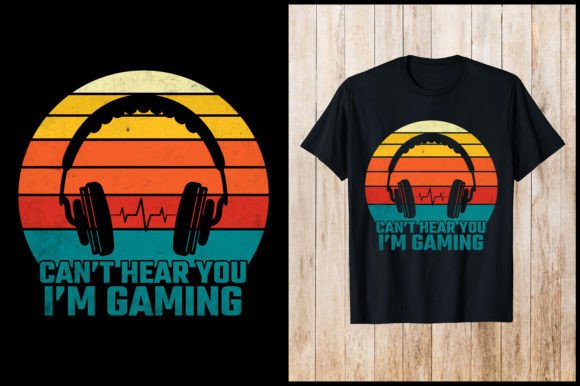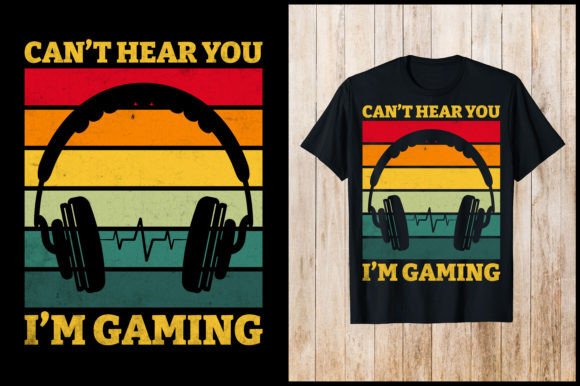
Can’t Hear You I’m Gaming Retro T-Shirt
Finding the ideal Can’t Hear You I’m Gaming Retro T-Shirt goes beyond a funny slogan. This phrase captures the focus and nostalgia of classic gaming culture, making it a favourite for personal wear, gifts, and print-on-demand product lines. Whether you are a streamer, a small business owner selling custom apparel, or someone who simply wants a unique tee for the next gaming night, there are practical details that honest users often overlook. The digital files attached to these designs—AI, EPS, PNG, SVG, or sublimation bundles—give you enormous flexibility, but only if you apply them correctly. Getting from a promising download to a crisp, long-lasting shirt print takes more than a quick click.
Many first-time users and even experienced sellers make avoidable errors that affect print quality, colour accuracy, and overall satisfaction. The good news is almost every mistake has a straightforward fix once you know where to look. Let’s walk through what actually matters when choosing, preparing, and using a gaming retro design like this, so you can save time, money, and material.
What This Retro Gaming T-Shirt Design Really Offers
The Can’t Hear You I’m Gaming Retro T-Shirt is not a physical garment you pull off a shelf. It’s a ready-to-print digital artwork pack that typically contains multiple file formats. The provided information mentions an AI file (Adobe Illustrator), an EPS file (scalable vector), and a high-resolution PNG file on a 4500 by 5400 pixel artboard. This canvas size, at 300 DPI, translates to a generous 15 by 18 inches, giving you enough detail for oversized front prints or large back placements without any jagged edges. Additionally, these bundles often include SVG cutting files and sublimation-ready assets, which broadens usage beyond traditional screen printing.
People are drawn to this image because it blends vintage typography with a straightforward gamer attitude. It works well on T-shirts, hoodies, mugs, pillows, tote bags, and even heat-transfer vinyl projects like cap designs. The retro lettering and silhouette style fit within the larger trend of gaming lifestyle merchandise that looks equally good at a tournament, a casual meetup, or as a personalised birthday gift. The publisher’s promise of “Gaming Png, Gaming Life Eps, Gaming Graphic, Gaming Vector” tells you that the artwork can handle multiple production methods, but you still need to match the right file to your specific process.
Common Mistakes That Lead to Blurry or Wasted Prints
People often rush to print the PNG file without checking resolution or colour mode. A 72 DPI screen-resolution image, even if it looks sharp on a phone, will turn into a fuzzy mess on fabric. Another frequent misstep is assuming a single AI file works perfectly for all applications. A vinyl cutter, a sublimation printer, and a direct-to-garment printer each expect different colour settings, stroke thicknesses, and layer structures. Using the wrong version can ruin a whole batch of shirts.
Forgetting to mirror or weed correctly when working with SVG cutting files is another pain point. A design that looks flawless on screen may have tiny disconnected pieces that tear during weeding or a stroke width so thin it disappears under a heat press. Even seasoned crafters misjudge how a vintage distressed look translates to vinyl, where too much internal detail can become frustrating to weed and press without lifting.
Ignoring Colour Profiles and Fabric Colour
A classic oversight involves sending a vibrant RGB illustration directly to a print provider without conversion. The result is a dull, muddy version of what you saw on your monitor. The retro aesthetic of this gaming design often relies on specific hues—bright cyan, fiery orange, or deep magenta. Without a switch to a CMYK profile or an appropriately calibrated ICC profile, those colours lose their punch. On dark garments, white underbase layers become essential. Skipping this step turns a bold statement tee into a barely visible shadow.
Check whether the file you purchased includes colour-separated layers for screen printing. If you are a small brand ordering from a fulfillment company, confirm they accept the exact vector file you intend to use. Some sellers load their stores with massive “gaming sublimation bundles” that look attractive but haven’t been tested across different press types. You prevent disappointment by asking the designer for a proof or a test swatch before placing a large order.
Not Validating the License Terms
Another overlooked detail relates to commercial use rights. You might think you can resell finished products without limits, but some designers restrict quantities or require attribution. If you plan to offer mugs, pillows, and apparel on platforms like Etsy or Shopify, confirm the license covers physical end products, not just digital redistribution. Misunderstanding these rights can lead to takedowns or legal headaches, which is a frustrating way to learn that a bargain bundle isn’t a bargain at all.
Practical Advice for High-Quality Results Every Time
Start by opening the AI or EPS file in your editing software. These vector formats let you scale the Can’t Hear You I’m Gaming Retro T-Shirt design to any size without losing sharpness. If you only plan to print on a small apron pocket, you can reduce dimensions without pixelation. For a full-coverage sublimation project, simply resize to fit your mug wrap or pillow template. Always set your document colour mode to CMYK when working with most physical printers, and keep a copy of the original file untouched.
When using the PNG file, verify the real resolution at the intended print size. A 4500 by 5400 pixel image can comfortably print at 15 by 18 inches at 300 DPI. If you need a larger size, go back to the vector files. Avoid stretching a PNG beyond its native dimensions—that is the fastest route to a blurry print. If you are working with a local screen printer, offer the AI or EPS file and ask if they need spot colour separations. Good communication early on saves costly reprints.
For hobbyists using cutting machines, load the SVG file into your design software and immediately check the path integrity. Zoom in on small details and look for overlapping lines or open paths. Many retro gaming designs incorporate intricate letter connections or a vintage silhouette that requires minor adjustments. Run a small test cut on scrap vinyl before committing to expensive heat-transfer material. Applying weeding lines or thickening inner details may take five extra minutes but guarantees a crisp, professional result.
Reducing Common Sublimation and Vinyl Errors
Sublimation printing requires high heat and specific polyester-coated substrates. Cotton T-shirts will not hold sublimation ink well, so reserve the PNG or EPS for polyester blanks or sublimation-coated mugs and pillowcases. Watch the colour shift: sublimated images often look muted on transfer paper but bloom into true colour after pressing. If your retro text appears too light, increase the saturation slightly in your design software and print a tester before mass-producing.
With adhesive vinyl, avoid extremely thin drop shadows or overly detailed halftone patterns unless your cutter and skill level can handle them. The “gaming silhouette” style often looks fantastic as a single-colour cut, but adding a secondary layer for a retro outline can elevate the design. Registration marks help align multiple colours, so use them. A frequently missed detail is cleaning the garment surface before pressing—fingers transfer oils that weaken vinyl adhesion.
What to Check Before You Buy or Download the Design
If you are considering a Can’t Hear You I’m Gaming Retro T-Shirt digital product, a quick quality check saves future frustration. Look at the file list the seller promises. Ideally, it should include a vector master file, a transparent PNG, and perhaps an SVG already optimised for cutting. The artboard dimensions matter. The 4500 by 5400 pixel canvas is generous, but ask yourself if the design fills that space effectively or if it’s a small graphic artificially placed on a large background. The latter option means you’ll need to crop and resize, which negates the benefit of that canvas.
Examine preview images with a critical eye. Are there jagged artifacts around the letters, or do the lines appear smooth? A trustworthy provider shows close-ups of the design printed on actual products, not just mockups. The bundle description may mention “Fitness stages” or “types of Gaming Bundle,” which suggests the design is part of a larger collection. That can be great value, but confirm that the specific retro gamer artwork is included and not just a similar style. Overly generic bundles sometimes lack the exact version you see in the listing.
Watch Out for Incompatible Fonts and Outlines
Retro typography often relies on custom lettering. If you receive an AI file and the font isn’t outlined, your software will substitute a default font, completely wrecking the vintage vibe. Always check that all text has been converted to outlines. If the file description says “Gaming Graphic, Gaming Vector,” it should be built with shapes, not live text. If you are not comfortable converting fonts yourself, contact the seller before purchase.
Making the Design Work on Non-Apparel Products
The same files that create a great shirt can also produce beautiful mugs, pillows, and other print items. For hard goods, the vector EPS or AI file is your best friend. Import it into the template provided by your print-on-demand supplier, align it carefully, and check for bleed areas. A common misstep is placing a design too close to the edge of a mug wrap, where the handle curve distorts the image. For pillows, consider how the fabric gathers at the seams—designs placed too near the edge can look crooked or cut off.
When you use the design for sublimation on a gaming pillow, the vintage retro aesthetic can really shine because the fabric absorbs the ink deeply, giving it a soft, lived-in look. Avoid adding solid white backgrounds behind transparent PNGs if you want the shirt or pillow colour to show through the design. Many first-timers accidentally flatten a transparent PNG onto a white layer before sending it to the printer, losing the natural fabric integration. Keep the background truly transparent until the final export.
Why File Format Literacy Pays Off
Understanding the difference between a cut file, a sublimation PNG, and a scalable vector graphic is not just technical trivia. It directly affects how many units you can sell with consistent quality. A designer who delivers a “Gaming Sublimation Bundle” with an EPS and a high-resolution PNG gives you the freedom to experiment with DTG, screen printing, sublimation, and HTV without repurchasing assets. When a single design can serve an entire line of products, you reduce your cost per item and present a cohesive brand identity.
Some small business owners get stuck because they try to use a complex SVG cutting file for screen printing, not realising that screen printers need separations and solid fill areas, not just thin outline paths. Others attempt to sublimate a thick, layered vinyl design onto a polyester shirt and wonder why the colours bleed. Matching the file type to the production method is one of the simplest ways to avoid wasted blanks and delayed orders.
Better Approaches for Marketing and Presentation
If you plan to sell shirts featuring this retro design, display it on models who embody the gamer lifestyle. Show the print on heather grey, charcoal, and vintage wash tees to emphasise the retro feel. In your product description, mention the exact print size and the file resolution used, because informed buyers trust transparency. Avoid over-promising things the design cannot do. If the artwork lacks a true gaming silhouette suitable for vinyl layering, say so, and suggest the ideal use. That honesty builds repeat customers faster than exaggerated claims.
Keeping Your Workflow Efficient and Waste-Free
Before pressing anything, create a small catalogue of test prints. Document which file version works best with your specific heat press temperature, dwell time, and pressure. Note any recurring issues like the design cracking after a few washes. Often, that points to under-cured plastisol ink or insufficient pressure during a vinyl transfer. Correcting these early means you won’t deal with customer returns later. If you are using a POD service, order a sample of the Can’t Hear You I’m Gaming Retro T-Shirt for yourself. Wear it, wash it, and inspect how the print holds up under normal conditions. This practical step reveals whether the supplier’s colour matching and durability are up to standard.
For crafters who enjoy variety, the inclusion of cut files, sublimation designs, and vectors in a single bundle is a huge time-saver. Instead of searching for compatible files across multiple shops, you work from one consistent source. Just remember to back up the original downloads in a dedicated folder. File names like “gaming-day-eps-bundle” or “retro-gamer-svg” keep you organised so you aren’t hunting through unlabelled folders weeks later.
The people who get the most from this vintage gaming design are those who treat the preparation process as part of the craft. They check resolution, convert colours, test weeding, and run a single sample before going all-in. That mindful approach transforms a funny slogan into a quality product that feels professional and lasts. Whether you are creating a one-off gift or stocking inventory for an online store, skipping the shortcuts and understanding the files genuinely makes a visible difference. The end result is a tee that other gamers notice and ask about—a clear sign you got it right.