Mastering Gaming Board Logo Mockups: A Complete Guide for Designers, Creators, and Brands
Every designer knows the moment. You have spent hours refining a logo or brand identity, and now it lives on a flat digital canvas. The work is polished, but something is missing. It does not feel real yet. This is where a gaming board logo mockup changes the game entirely. It transforms a static 2D design into a tangible, three-dimensional presentation that clients can almost reach out and touch. Whether you are designing for a tabletop card game, a strategy board game club, a fantasy gaming brand, or a collectable card deck, the right mockup bridges the gap between imagination and reality.
What Exactly Is a Gaming Board Logo Mockup?
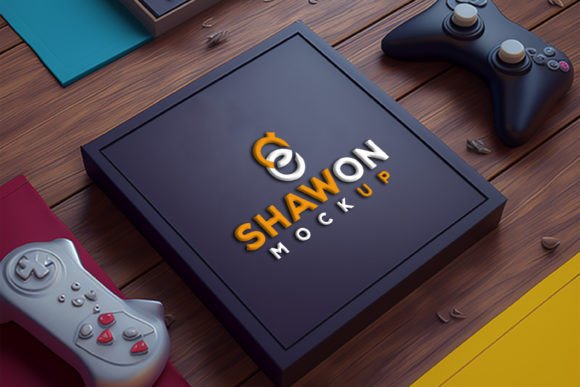
At its core, a gaming board logo mockup is a pre-made digital template that allows you to insert your own artwork, logo, or branding onto a realistic representation of a game board, sign, or playing surface. Think of it as a photographic stage that you control. Instead of printing and photographing a physical prototype, you use smart layers inside software like Adobe Photoshop to place your design seamlessly onto a 3D mockup scene. The result looks like a professional product photograph, complete with lighting, shadows, textures, and perspective.
These mockups often come bundled as a set, providing multiple angles, backgrounds, and configurations. A typical package might include a board mockup for the main playing surface, a sign logo mockup for promotional signage, and even card or box elements for packaging presentations. The versatility is immense. One moment your logo appears engraved on a dark black board with dramatic lighting; the next, it sits printed on crisp paper stock as part of a card game spread.
The Technical Specifications That Matter
Not all mockups are created equal. When exploring options like the Gaming Board Logo Mockup 100 Editable Clean package, the technical details tell you everything about usability and final output quality. Let us break down what makes a high-quality mockup stand apart from mediocre alternatives.
Resolution and Size: 5000x5000 Pixels at 300 DPI
A resolution of 5000x5000 pixels at 300 DPI is the gold standard for print-ready and high-resolution digital work. This size gives you enormous flexibility. You can crop, zoom, or resize without sacrificing clarity. For print applications—think convention banners, storage board packaging, or promotional flyers—300 DPI ensures crisp output that meets professional printing standards. For digital use, the large canvas lets you showcase minute details, from subtle paper textures on a play card to intricate engravings on a game board.
Smart Objects: The Heart of Easy Customization
Smart objects are the feature that makes these mockups fully customizable and genuinely easy to use. In Photoshop, a smart object is a contained layer that preserves the original characteristics of your placed artwork. You simply double-click the smart object layer, paste your logo or design into the new window that opens, save, and close. Instantly, your artwork wraps realistically onto the 3D surface of the gaming board, card, or sign. All the perspective distortions, lighting overlays, and shadow details apply automatically. No manual warping. No guesswork. This workflow saves hours and makes mockups accessible even to those who are not advanced Photoshop experts.
Fully Layered and Organized Files
A fully layered .PSD file is a non-negotiable asset for serious designers. Layers allow you to toggle shadows on and off, adjust background colors, change lighting intensity, and modify reflections independently. If a particular highlight is too strong on your board game logo, you can dial it back without affecting the rest of the scene. This granular control transforms a simple template into a genuine creative tool. The best mockup packages also include a help file, which guides you through the process step by step, making onboarding fast even for first-time users.
File Types Included: .JPEG and .PSD
Having both .JPEG and .PSD formats in one package covers all your workflow needs. The .PSD is your editable working file with all layers intact. The .JPEG provides a quick, flattened reference image or a ready-to-share preview for clients who do not have Photoshop. This duality respects the practical reality of creative work: you need editable source files for deep customization and lightweight, universal formats for fast communication.
Why a Dedicated Gaming Board Mockup Matters
You might wonder why a general logo mockup is not sufficient. The answer lies in context and authenticity. A gaming logo belongs in a gaming environment. When you present a brand identity for a board game company on a clean white business card, it communicates professionalism but not atmosphere. Place that same logo on a richly textured game board mockup surrounded by playing pieces, cardboard cards, and a wooden box, and suddenly the brand tells a story. It evokes the tactile pleasure of game play, the strategic tension of a strategy tabletop session, and the communal fun of a game night.
This contextual presentation is especially powerful in the fantasy and collectable gaming sectors. A club logo, a deck of cards, or a set logo for a trading card game benefits enormously from being shown on materials that reflect the actual product. A sign mockup can showcase tournament branding, while a board mockup displays the main game surface where players will spend hours. Each element reinforces the brand's identity and immerses the viewer in the intended experience.
Practical Applications Across Industries
The versatility of a gaming board mockup extends beyond just tabletop games. Here are several ways these assets find use in modern creative and business contexts.
- Tabletop Game Publishers: Presenting a new board game concept to investors or Kickstarter backers requires visuals that inspire confidence. A 3D game mockup shows exactly what the final product will look like, from the carton box to the game board itself.
- Card Game Designers: Whether it is a competitive card game, a collectable trading card series, or a party game, displaying card backs and logos on a realistic table spread with proper equipment context sells the vision.
- Gaming Cafés and Clubs: A gaming board mockup can showcase membership badges, club logos, or promotional sign logo branding in a way that resonates with the community.
- E-commerce Listings: When selling custom play card sets, personalized game boards, or branded storage solutions, high-quality mockup images dramatically increase perceived product value and conversion rates.
- Social Media and Marketing: A striking 3D mockup stops the scroll. For game launch announcements, tournament promotions, or crowdfunding campaigns, these visuals generate excitement and shares.
- Portfolio Presentations: Designers showcasing branding work for entertainment clients use logo mockup scenes to demonstrate real-world application and versatility.
Common Misunderstandings About Mockup Usage
One frequent assumption is that mockups are only for final presentations. In reality, they are equally valuable during the design process itself. Placing a work-in-progress logo onto a black paper or board texture early can reveal contrast issues, spacing problems, or readability challenges that are invisible on a flat white screen. The mockup becomes a design validation tool, not just a showcase device.
Another misconception is that using mockups is somehow dishonest or misleading. Ethical mockup use is about presenting a fair and accurate representation of what can realistically be produced. The fully editable nature of smart object mockups means you can adjust and refine until the presentation matches the intended physical outcome. Transparency with clients about the digital nature of the preview is standard practice and widely accepted across the design industry.
How to Get the Best Results from Your Gaming Board Logo Mockup
Even the most well-crafted mockup requires thoughtful input. Here are some practical steps to elevate your results.
- Start with a High-Resolution Logo File: Your mockup outputs at 5000x5000 pixels. If your source logo is a tiny 300-pixel graphic, it will appear blurry and unprofessional. Always work with vector files or high-resolution raster images.
- Match the Mood and Lighting: Observe the mockup's lighting direction and shadow intensity. If your brand design uses extremely bright neon colors but the mockup scene is a dimly lit black board mockup with moody shadows, either adjust your color palette or choose a brighter mockup scene from the set.
- Use the Layered Structure: Do not just paste and save. Experiment with toggling shadow layers, adjusting opacity on reflections, and modifying background elements. The fully layered file is your creative playground.
- Keep a Consistent Brand Narrative: If your game is a lighthearted family board game, a dark and ominous fantasy styled mockup might send the wrong message. Select the variation from the set that best aligns with your product's tone.
- Test Multiple Angles: A comprehensive set often includes various views—top-down, isometric, close-up, and wide shots. Test your logo on several to build a complete presentation package for clients or marketing materials.
Integrating Gaming Board Mockups Into Your Workflow
Modern design workflows benefit from speed and flexibility. A clean and easy to use mockup fits neatly into rapid iteration cycles. You can generate dozens of polished presentation images in a single afternoon, each tailored to a different stakeholder or platform. For a branding proposal, you might produce a hero image of the game board with full logo treatment, a social media crop showing just the sign logo mockup element, and a detail shot highlighting the cardboard texture with a subtle logo watermark.
Technology has also made these tools more accessible than ever. While Adobe Photoshop remains the primary software, many mockups now offer some level of compatibility with alternative editing platforms that support .PSD files and smart layers. The included help file typically covers installation, basic editing, and troubleshooting, lowering the barrier to entry significantly.
The Broader Significance: From Digital File to Tangible Experience
There is something deeply human about the desire to see our creations take physical form, even if that form exists only on a screen for now. A gaming board logo mockup satisfies that desire. It transforms an abstract digital file into something that feels weighty, usable, and real. For board game enthusiasts, players, and collectors, this tangibility is central to the entire hobby. The smell of fresh paper, the sound of cards shuffling, the visual impact of a beautifully designed game board—these sensory experiences begin with the visual promise a mockup delivers.
In a competitive market where thousands of games launch each year, presentation can be the deciding factor between a project that gets funded and one that gets overlooked. A professional 3d game mock-up signals seriousness, quality, and attention to detail. It tells potential backers, publishers, and customers that the creator cares enough about the game play experience to invest in how it is presented before a single piece has been manufactured.
Choosing the Right Mockup for Your Project
When evaluating options like the Gaming Board Logo Mockup 100 Editable Clean package, consider the specific assets it includes. Does it offer board game surfaces, card elements, box or carton mockups, and sign options? A diverse set provides more storytelling flexibility. Check that the file is genuinely fully customizable and includes smart objects. Confirm the resolution and DPI meet your output requirements. Read the included help file to understand the editing process. And finally, evaluate the aesthetic quality: do the lighting, textures, and compositions match the professional standard your brand or client deserves?
Investing time in learning to use these tools effectively pays dividends. What once required expensive photography equipment, a physical prototype, and studio lighting can now be accomplished with a laptop, Photoshop, and a well-designed mockup file. The democratization of professional product presentation is one of the quiet revolutions of modern digital creativity, and gaming board mockups sit squarely at its heart.
Whether you are a solo designer working on a passion project, a studio preparing a major client pitch, or a game publisher launching your next title, the ability to present your logo and branding in a rich, contextual, and realistic environment is no longer optional. It is expected. And with the right gaming board logo mockup, meeting that expectation becomes not just achievable, but genuinely enjoyable.