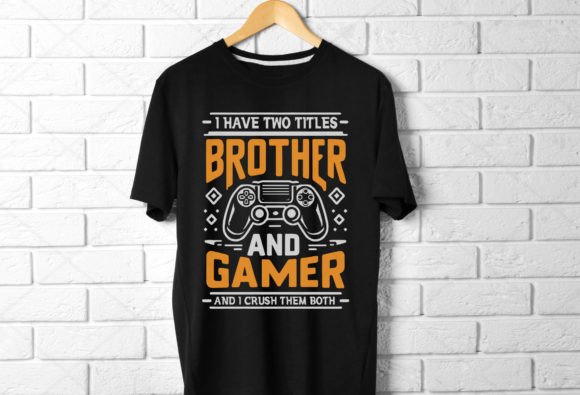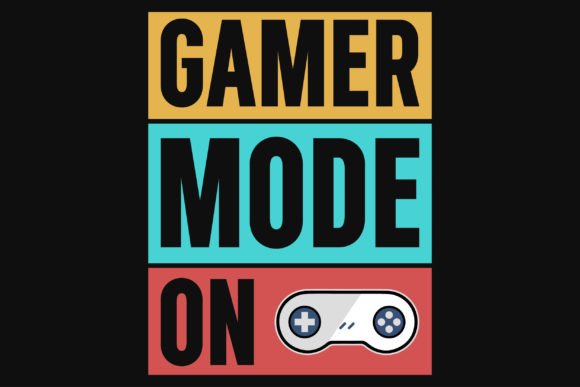
Gamer Mode on Gaming T-Shirt Design: A Practical Asset for POD Sellers
When you stumble across a collection called Gamer Mode on gaming t-shirt design, it’s easy to picture a single, static image. But what it actually delivers is a flexible toolkit for anyone building a print-on-demand business, refreshing a hobby store, or creating custom apparel for a local event. The name hints at a focused, energetic style that appeals to the gaming community, and the file structure behind it makes the artwork usable across a wide range of products without the usual frustration of blurry prints or locked-in colors. Instead of generic clip art that looks cheap the moment you scale it up, you get vector-based designs that stay crisp on everything from a toddler’s tee to an oversized wall tapestry.
For the seller who has spent too many hours hunting for graphics that won’t embarrass them after the first customer review, a tidy package of EPS, SVG, and transparent PNG files at 4500×5400 pixels changes the calculation. You aren’t just buying a picture; you’re getting editable source material that can be recolored, resized, and rearranged without an advanced design degree. That matters when your target audience on Merch by Amazon or Etsy expects a premium feel but you need to pivot quickly between trends: retro arcade vibes this month, esports lightning bolts the next. The “Gamer Mode” aesthetic gives you a recognizable starting point that saves time while letting you put your own spin on things.
What Makes a Gamer Mode Design Work for Your Store
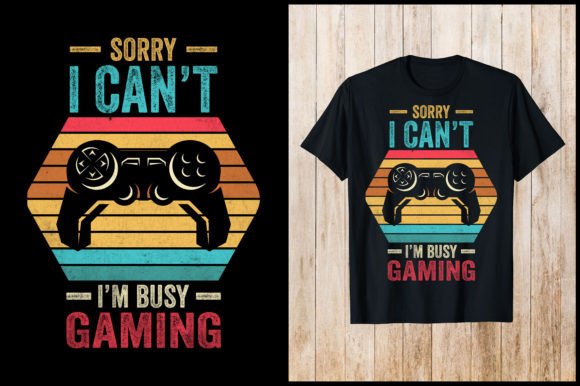
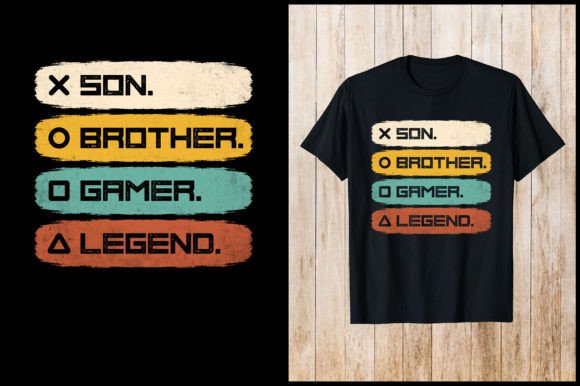
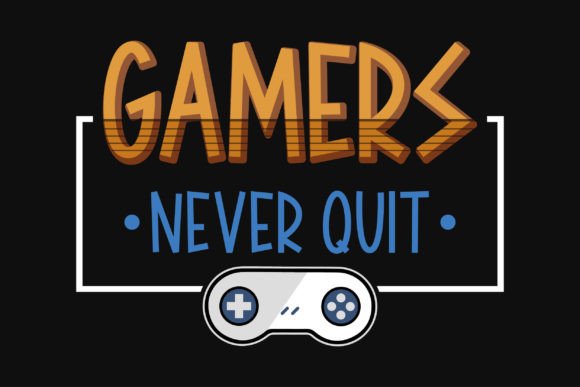
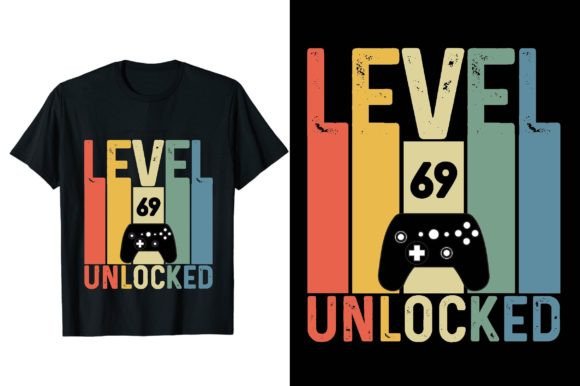
The phrase “Gamer Mode” on gaming t-shirt design refers to artwork that channels the intensity, nostalgia, and communal identity of gaming culture. Think bold typography, controller silhouettes, power-up symbols, and a color palette that leans into neon accents or dark, moody backgrounds. These aren’t childlike doodles; they are crafted to look worn proudly by an adult who might stream on Twitch, attend a late-night LAN party, or simply want a tee that says something about their personality without shouting. Because the designs are vector-based and fully editable, you can tone down the aggression for a minimalist streetwear look or amp up the glow effects for a convention merchandise booth.
What sets this particular pack apart is that it’s been shaped by three years of t-shirt design experience. That means the linework, composition, and negative space were chosen with printing in mind. Too often, enthusiastic creators upload artwork that looks stunning on screen but becomes a muddy mess after a DTG printer fades half the details. Here, the designer has already accounted for common production pitfalls, so the print-ready files behave predictably. When you drop the PNG onto a product mockup or import the SVG into your Shopify store’s personalization app, you’re starting from a solid technical foundation, which reduces returns and strengthens your brand reputation over time.
Where You Can Put These Designs to Work Immediately
The obvious first stop is an online t-shirt marketplace. Whether you use Amazon, TeePublic, Teespring (now Spring), Redbubble, or a standalone Shopify storefront, the transparent PNG allows you to upload in seconds. The high resolution means you can offer the same design on a 12×16 inch canvas print or a mug without ever worrying about pixelation. But the versatility runs deeper. Use the vector files to cut heat-transfer vinyl for a custom hoodie run. Pull the EPS into your screen-printing workflow for a local fundraiser. Resize the artwork for phone cases, tote bags, or even stickers that sell at a gaming cafe’s front counter.
Small business owners often overlook how much a cohesive design set cuts down on the logistical headache of coordinating multiple suppliers. If you want to launch a “Gamer Mode” collection across sweatshirts, raglan sleeves, and toddler creepers, you’ll need the same graphic to adapt without distortion. Having a 100% vector source file lets you separate elements, rearrange them for horizontal products like laptop skins, or isolate a single icon to become a subtle chest logo. This kind of adaptability isn’t a luxury; it’s what separates a hobby that occasionally makes a sale from a streamlined brand that looks intentional across every listing.
Adapting the Artwork for Different Audiences and Niches
One of the most practical advantages of the editable formats is the “easy to change colors” feature. Gaming communities fragment into countless sub-niches: fans of specific streamers, genre loyalists (MMORPG players vs. battle royale squads), retro collectors, and tech modders all have their own visual language. By shifting the accent color from electric blue to toxic green, you repurpose the same “Gamer Mode” design for a completely different audience. Swap the typography to lean more mechanical for sim-racing gear, or soften the edges with pastels when targeting a cozy-gamer demographic that’s grown rapidly on platforms like TikTok.
This flexibility matters for educators and event organizers, too. A school esports club needs a crisp logo for jerseys that can be embroidered; the SVG file drops directly into embroidery digitizing software. A library running a gaming night might want the graphic on a large banner; the vector artwork ensures no jagged edges at three feet wide. Even a freelancer who designs merch for multiple clients can treat the collection as a licensed base layer, saving billable hours while still delivering a custom-looking result. The key is that you aren’t locked into one static composition; you’re holding a creative asset that can be reshaped around real-world constraints.
Realistic Scenarios for Using Print-Ready Vector Files
Picture a solo entrepreneur who runs a small Shopify store alongside a full-time job. They don’t have the bandwidth to learn Adobe Illustrator from scratch, but they need to upload five fresh designs by Friday. With the Gamer Mode collection, they grab the transparent PNG, pop it onto a mockup generator, and list the tee within ten minutes. The next week, a customer requests the same design on a navy blue sweatshirt with gold accents instead of white. Because the EPS is included, a quick freelance edit on Fiverr costs $10 and turns the same artwork into a premium variant that sells at a higher price point.
Think about the convention vendor who has to produce hundreds of units ahead of an event. Screen printing demands precise color separations, and the EPS format supports that. The vendor can scale the design for different garment positions—left chest, full back, sleeve—and the 4500×5400 pixel canvas gives plenty of resolution for even the largest print areas. Contrast that with a JPEG ripped from a public domain site: the ink bleeds, the lines blur, and the entire booth looks amateurish. When buyers at a crowded gaming expo compare two t-shirt racks, the one that looks professionally printed wins, and that perception starts with the source file.
For a publisher or blogger who wants to create branded merch without managing inventory, integrating the designs into a TeePublic or Redbubble store means they can focus on content while the platform handles fulfillment. The “Gamer Mode” aesthetic aligns with a tech-review YouTube channel, a gaming podcast, or a Discord community that’s eager for a unified look. Because the files are ready for printing, there’s no back-and-forth with a designer about bleed areas or DPI. That speed frees up the creator to test multiple design variations and see what resonates, rather than overcommitting to a single concept that might flop.
Key Considerations Before You Download and Print
While the package is built for convenience, a little upfront planning goes a long way. First, confirm you have software that can open EPS or SVG files if you plan to edit them. Inkscape is a capable free alternative to Illustrator, and most online t-shirt platforms accept high-resolution PNGs directly. Second, understand the licensing. The description indicates commercial use is allowed on products you sell, but always double-check any restrictions, especially if you intend to resell the files themselves. Third, test the artwork on a physical sample before scaling up. Colors can render differently on a screen versus a cotton tee or a polyester hoodie, and the “easy to change colors” feature only helps if you see the final result under real-world lighting.
Another practical point: while the designs are premium and creative, you should still mind the context. The Gamer Mode on gaming t-shirt design may carry certain cultural cues that won’t resonate with every demographic. Use that to your advantage by pairing it with complementary messaging in your store’s description and imagery. For instance, a dark, cyberpunk-inspired variant might do well with programming meetups, while a brighter, cleaner version could appeal to a family gaming night audience. The design is a starting point; how you position it determines whether it becomes a staple in someone’s wardrobe or gets ignored in a saturated marketplace.
Turning a Design Collection Into Long-Term Value
Savvy sellers look at a collection like this not as a one-off purchase but as an investment that pays for itself over many product lines. Because the files are vector-based and easy to modify, you can build a seasonal calendar around them. Take the base “Gamer Mode” layout and introduce holiday-themed color swaps in December, spooky overlays for October, or a pastel refresh for spring. This approach keeps your store looking active without reinventing the wheel every month. It also gives repeat customers a reason to check back, because they see a familiar style evolving rather than a random jumble of unrelated graphics.
For marketers and freelancers, the collection works as a reliable fallback when client briefs come in vague. A client might say, “I want something for a gaming event, something cool,” and you can present three quick mockups using the editable vectors, each with a different color and composition. That rapid prototyping builds trust and often leads to larger custom design contracts. Meanwhile, the educator or community leader finds that a consistent visual identity—powered by the same core artwork—helps their group feel more cohesive at tournaments or meet-ups, boosting engagement far more than a generic sign-up sheet ever could.
Ultimately, the quiet strength of the Gamer Mode on gaming t-shirt design rests in its mix of stylistic punch and technical flexibility. It addresses the real bottlenecks that print-on-demand sellers, small businesses, and creative hobbyists face: time, quality, and the ability to pivot when a new opportunity appears. Instead of chasing after a dozen different graphic packs that each solve only one piece of the puzzle, you get a unified foundation that fits the way you actually work—late nights, tight budgets, and all.