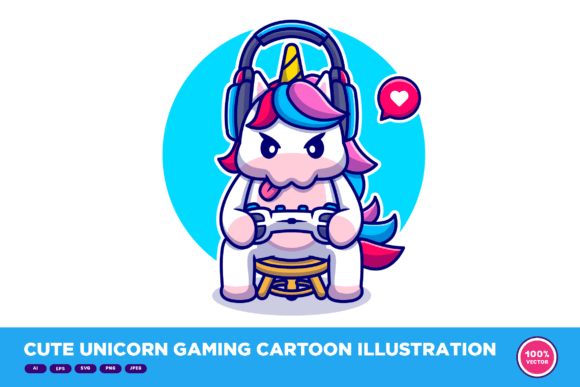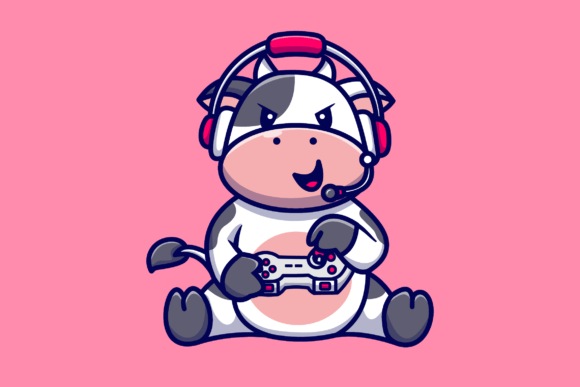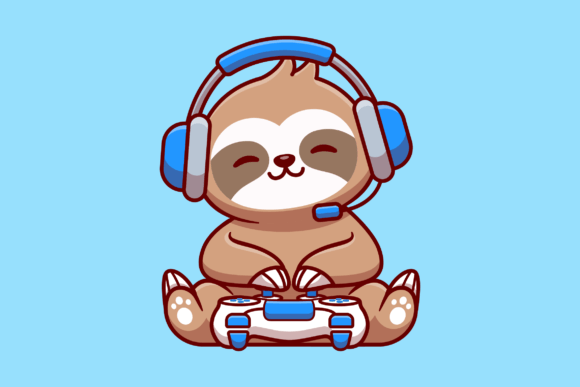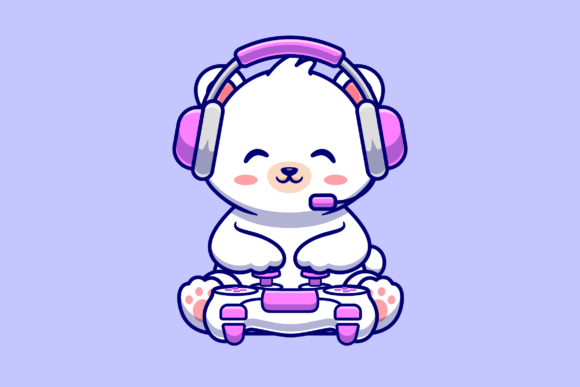
Cute Koala Gaming Cartoon Illustration – Playful Vector Art That Fits Your Next Project
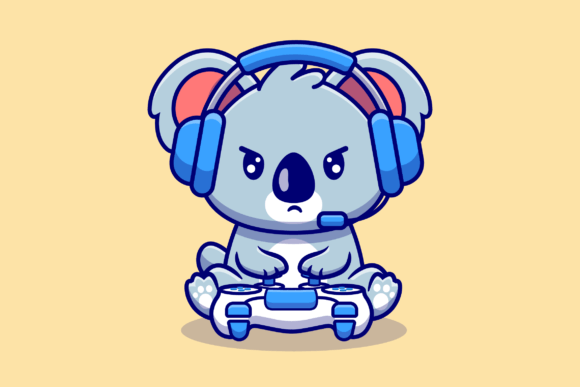
Some design assets just make people smile. A fluffy koala gripping a controller, eyes wide with concentration, instantly adds a dose of warmth and humor without trying too hard. That’s exactly what this Cute Koala Gaming Cartoon Illustration does. It’s a premium vector file built in a flat cartoon style, ready to become the centerpiece of a sticker sheet, the focal point on a twitch overlay, or the personality-packed mascot for a small gaming brand. Instead of wrestling with line art from scratch, you get a complete, polished character illustration you can drop into your workflow.
Because it’s vector-based, the koala stays razor-sharp no matter how you scale it. Whether you shrink it for a mobile app icon or blow it up for a wall decal, there’s no pixelation and no awkward blur. The design captures that cozy gamer aesthetic—think fuzzy headphones, a relaxed posture, and a color palette that’s easy to keep or recolor in seconds. For creators who need something cute, on‑trend, and technically flexible, this illustration slips into a surprising number of roles.
Where a Koala Gamer Becomes the Perfect Visual
People often assume a cartoon animal is only good for kids’ content. But walk through a co‑working space, scroll through Etsy, or look at popular gaming merch, and you’ll see playful characters on everything from enamel pins to branded hoodies. The Cute Koala Gaming Cartoon Illustration works because it straddles the line between wholesome and modern. A small business selling gaming accessories might use it on thank‑you cards tucked inside orders, reinforcing a friendly, approachable identity. A streamer could weave the koala into sub badges or emote sets, giving a loyal community something instantly recognizable.
That adaptability comes from the flat cartoon style. It’s clean, doesn’t compete with other design elements, and reads clearly on screens of all sizes. When a parenting blog creates a downloadable reward chart for screen‑time management, the koala feels encouraging instead of preachy. When a freelance illustrator bundles the icon into a logo concept for a mobile game studio, the client sees a mascot that can walk into pitch decks, loading screens, and social posts without a visual mismatch.
Here are a few environments where this illustration tends to show up:
- Print‑on‑demand products like tees, hoodies, mugs, tote bags, and phone cases
- Digital assets including YouTube channel art, video intros, and streaming overlays
- Educational printables such as classroom posters, e‑book worksheets, and gamified learning modules
- Branding kits for small gaming cafés, esports clubs, or indie game developers
- Greeting cards, party invitations, and gaming‑themed gift wrap
Why the File Format Matters More Than You Think
Anyone who has grabbed a cute graphic online only to watch it turn into a blocky mess on a t‑shirt mockup understands the pain. The Cute Koala Gaming Cartoon Illustration comes bundled as a true vector with well‑organized layers inside multiple industry‑standard formats. That means Ai and EPS files retain complete editability, so you can tweak line weights, swap the controller for a keyboard, or separate elements for animation. The SVG format slides straight into web projects, responsive icons, and cutting‑machine software without extra cleanup. And for those moments when you need a quick placeholder or a high‑res preview, ready‑to‑use JPEG and PNG versions are included—the PNG offering a transparent background that saves time when compositing.
This bundle structure matters to different people in very practical ways. A blogger dropping the koala into a featured image for a gaming guide can grab the 300 DPI JPEG and be done in a minute. A sticker shop owner needs the SVG to feed into a Cricut or Silhouette without tracing outlines. A graphic designer working on a branding package wants the AI file with labeled layers so she can recolor the controller to match brand hex codes. Layering those options into one illustration set removes the friction that often stops creative ideas mid‑stream.
How Different People Make This Koala Their Own
Talk to a few creatives, and you’ll hear how the same asset solves entirely different problems. A teacher building a digital escape room for her fifth graders replaces the standard timer icon with the koala clutching a gamepad; suddenly the countdown feels less stressful and more like a challenge. A YouTuber who reviews cozy indie games turns the illustration into a channel mascot, shrinking it for the corner bug and expanding it for merch drops—keeping a consistent visual thread across every viewer touchpoint.
Freelance web designers love that the flat style works with modern UI trends. One might place the koala as a whimsical error‑page character, turning a broken link into a moment of charm. A small business owner running a tabletop gaming store pulls the PNG onto email newsletter headers, giving “New Arrivals” announcements a playful paw‑print without paying for custom character design every season. Even an author self‑publishing a light‑hearted guide on building gaming habits can scatter the koala through chapter headings, making a book feel cohesive and polished.
Licensing is where many people pause. This illustration arrives as a premium vector with commercial use baked in, meaning you can put it on products you sell without chasing down extra permissions. Before you pop it onto 500 mugs for a convention, double‑check that the license aligns with mass production—most do, but skimming that little detail saves headaches. And because the artwork stands alone without relying on trademarked elements, you avoid the grey zone that comes with fan‑art territory.
When You’re Personalizing Physical Goods
Small‑batch makers often live in the space between needing professional graphics and not having the budget for custom illustrations. A Cute Koala Gaming Cartoon Vector Icon bridges that gap immediately. Picture a stay‑at‑home parent who started a sticker shop on the side. She imports the PNG into her design software, pairs the koala with a playful gaming pun, and has a new listing ready in an afternoon. The transparent background saves the tedious cutout work, and the crisp 300 DPI resolution means the printed sticker holds its detail even at a tiny scale.
The same asset works for embroidery digitizers, sublimation blanks, and even laser engraving on wooden coasters. Because the layered Ai file separates the koala’s ears, face, controller, and shading, it’s easier to assign stitch types or adjust depth maps. Makers often discover that one flat‑cartoon animal unlocks a whole collection of add‑on products, from enamel pins to washi tape to gaming‑themed socks.
Slipping the Koala into Digital Content
Online content moves fast, and having a handy visual that doesn’t require sourcing or attribution is a quiet superpower. A social media manager for a tech brand might use the koala during a company‑wide gaming tournament, popping it into Instagram stories and reaction GIFs. Since the SVG loads nimbly in Canva, Figma, or even browser‑based editors, multiple team members can pull the asset without hunting through shared drives.
Streamers and content creators especially appreciate the transparent PNG for overlay elements. A “starting soon” screen with the koala leaning over a console creates immediate warmth before the stream even goes live. And when a viewer asks where they can get that cute little mascot on a shirt, the creator can confidently say it’s an original design—no awkwardness around stolen art or muddy resized JPEGs.
Using the Illustration in Learning and Education
Educators and instructional designers are constantly scanning for visuals that feel relevant to a generation raised on video games. A koala quietly gaming becomes a perfect decorative icon for digital worksheets, reward badges, and interactive PDFs. Younger students connect instantly, while adult learners in a gaming‑themed coding bootcamp appreciate the inside joke. Because the illustration is scalable without losing quality, you can blow it up for a classroom poster that stays crisp when printed on a wide‑format plotter.
In one real‑world workshop setup, a facilitator printed 20 small koala cards for a team‑building activity about collaboration in gaming. Each card had a different colored controller (thanks to easy color editing in Illustrator), and teams had to find their matching partner. The asset simply filled a need that generic clipart couldn’t because it felt intentionally crafted for the context rather than forced.
What to Check Before You Download and Apply
Even the most versatile illustration benefits from a little upfront thought. First, look at the dominant colors in your brand or project. The default palette is charming, but the easily editable colors are a big reason experienced designers grab vector files. Spend two minutes adjusting the koala’s T‑shirt to match your stream overlay, and suddenly a generic character feels custom‑built. If you’re not comfortable with Ai or EPS, you can still shift colors in many SVG‑compatible platforms or use adjustment layers on the high‑res PNG in simpler software.
Consider the cultural tone of your audience. A cute animal gaming might not suit a law firm’s annual report, but it fits comfortably anywhere fun and approachability are assets. Think gaming lounges, youth programs, pet brands, casual apparel, creative agencies, or any business that wants to say “we take our work seriously, but we don’t take ourselves too seriously.” The flat cartoon style hits a sweet spot—it’s polished enough for commercial use without feeling corporate.
File compatibility rarely causes drama here because the bundle covers both raster and vector needs. If you only ever use JPGs, you’ll appreciate that the included JPEG is high resolution and print‑ready. If you’re a motion designer who needs to rig the character in After Effects, the layered AI file lets you separate the arms and controller for bone animation. Make sure your editing software can open SVG or Ai layers; most modern tools handle them natively, but it’s worth confirming if you rely on legacy programs.
Lastly, think about how the asset fits your project’s visual hierarchy. The koala works beautifully as a main focal point on a t‑shirt or a sticker, but it can also play a supporting role—nestled into a corner of a website banner or used as a bullet icon in a blog post about gaming tips. Its versatility means you can reuse the same illustration across multiple platforms without it feeling repetitive, as long as you vary the scale, cropping, or accompanying text.
Small Details That Make a Big Difference
Designers often comment on layered files that are actually flattened meshes. This one comes with well‑organized layers, so you’re not clicking through 50 unnamed groups. The koala’s ears sit on their own sub‑layer, the controller is separable, and the face elements like eyes and blush are easy to isolate. That might sound like a minor perk, but when you’re on a deadline and need to replace the controller with a retro joystick, layer organization saves twenty minutes of frustrated clipping path work.
The 100% vector format also future‑proofs your projects. A sticker design you create today can be scaled to billboard size next year without redrawing a single line. This is the kind of practical flexibility that makes a onetime purchase feel like a long‑term investment, especially for creators who repurpose assets across seasons, campaigns, and product lines. It’s not just a koala; it’s a tiny design Swiss Army knife.
Whether you’re refreshing a merch line, building a digital classroom, or just want something ridiculously cute sitting on your twitch overlay, the Cute Koala Gaming Cartoon Illustration delivers a clean, reliable, and personality‑rich visual. The included Ai, EPS, JPEG, SVG, and transparent PNG files mean you can jump between print projects, web design, and cutting machines without ever hunting for a different format. And because you can tweak every hue and detail, you’re not stuck with someone else’s limited color story. That koala with the controller can look like it was drawn just for you—because once you adjust a few settings, it practically was.